As life expectancy increases, the age structure of the European Union is changing, and the number of older people is growing. The crucial question, however, is whether the extra years gained through increased life expectancy are spent in good or poor health.
As we age, it becomes increasingly likely that we will suffer from multiple illnesses at the same time, which requires significant changes to our previously accustomed lifestyle.
The HELIX+ comprehensive lifestyle program helps stabilize, maintain, and restore health, ultimately increasing life expectancy and improving quality of life.
HELIX+ offers interactive presentations and online meetings with experts. By connecting communities, it helps people successfully change their lifestyles, turn new behaviors into habits, and integrate them into their daily lives.
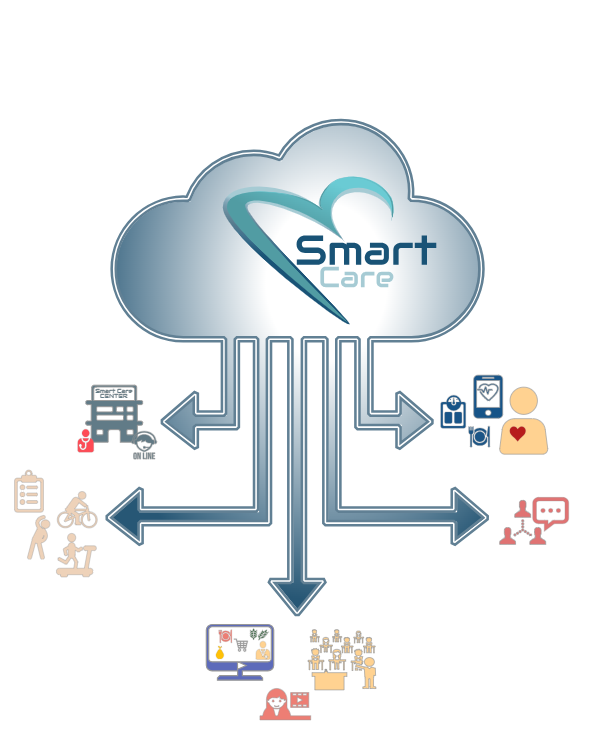
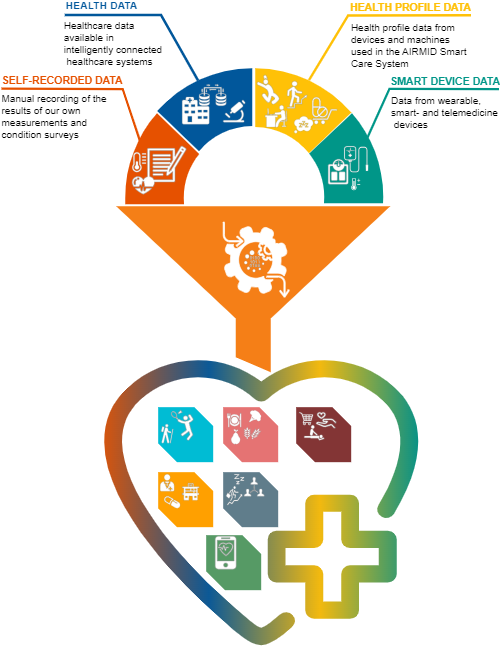
The primary aim of Smart Care is to increase our control over our own health.
For some elements we are familiar with, yet for others we may need more guidance and support before we can adopt and use them independently.
The Smart Care elements overcome problems of distance and isolation, provide health promotion suggestions, complex programmes and a national network to support rehabilitation. They provide us with quality and reliable information and empower us to improve our quality of life.
Consuming news has become part of our everyday lives. A variety of health promotion content is flooding the information channels. Smart Care rates connected service providers according to a common set of criteria, shows user satisfaction and allows you to flag false or inappropriate information in a wide range of information.
The primary goal is to present the possibilities inherent in the digital world and to incorporate the discovered advantages into our daily lives.
Sport and recreation events and community programmes are essential to increase physical activity, where we can try out a variety of physical activities and, as well as enjoying the experience, join new communities that help to keep us motivated and provide a variety of individual and family activities.
Proposals tailored to our age and habits increase our access to quality content, events and certified health promotion services. And the presentation of feedback on events and products helps us to be well informed and strengthens the fight against misinformation and fraud.
Digitalisation is a great opportunity to improve people's well-being and empower self-care
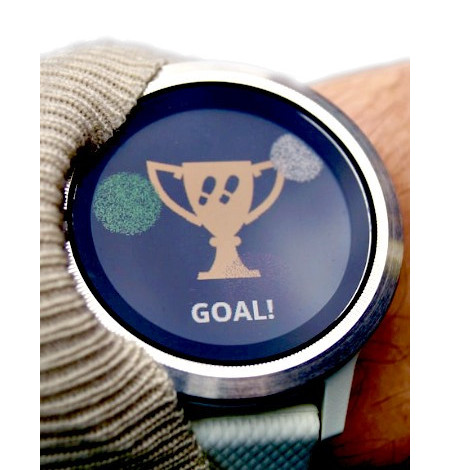
Wearable devices have been increasingly used in recent years to alert people when they may have a health problem.
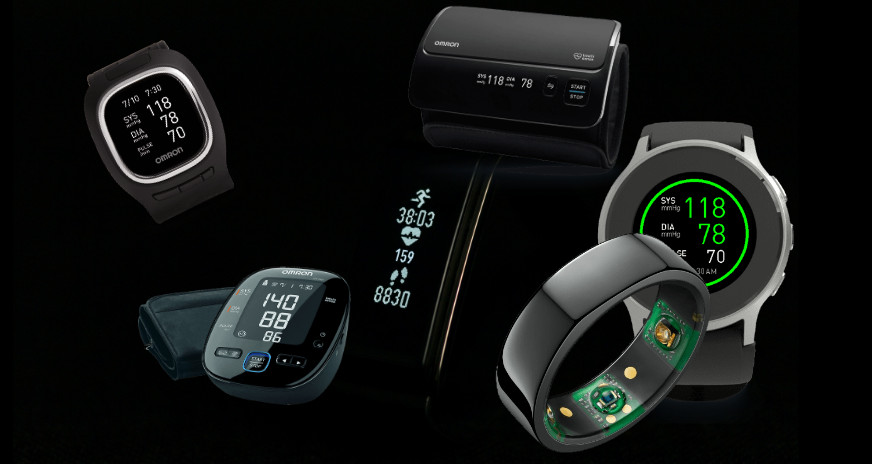
For example, some smartwatches can detect if your heart rate is too high or too low, sleeping habits are not appropriate. Smart wearables are electronic devices connected to a Smart Care system that can be worn on the body as a standalone device or embedded in clothing. These include smart watches, rings and bracelets, to name a few. All of them have high processing power and a range of sophisticated sensors that provide new insights into our health parameters.
Wearable devices and smartphones can objectively and accurately measure activity and energy expenditure through a variety of sensors. Heart rate readings taken during rest and physical activity can be used to predict the risk of cardiovascular disease. And blood pressure measurement built into wearable devices can improve screening for hypertension and identify high blood pressure at night or during activity.